
Introduction
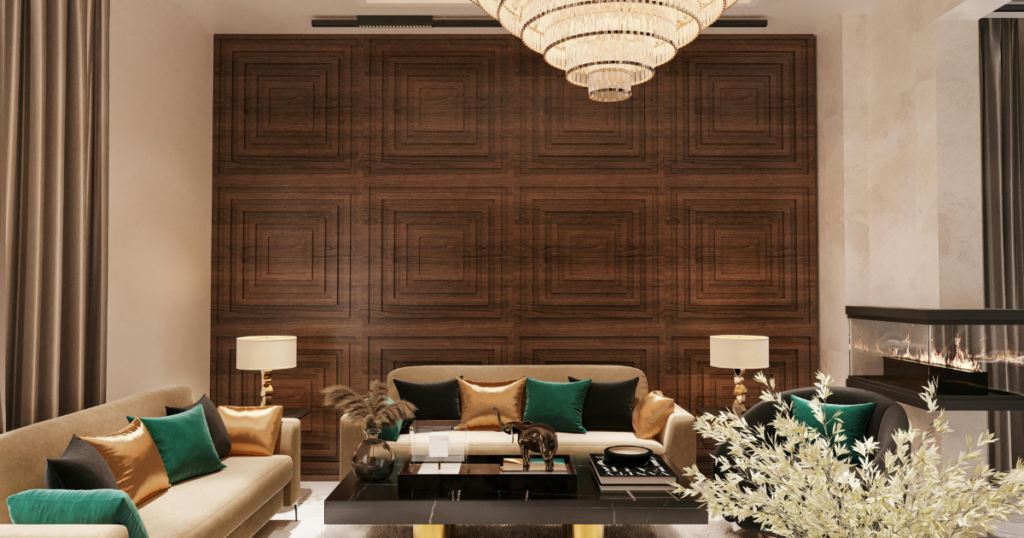
Today, a room does much more than hold furniture or provide a place to rest. It reflects personality, emotions, and personal style. That is why aesthetic rooms have become so popular across Instagram and Pinterest, inspiring people to create spaces that feel warm, meaningful, and visually pleasing. From soft lighting and calming color palettes to cozy textures and carefully placed décor, every detail plays a role in creating the right atmosphere.
The beauty of aesthetic rooms is that they are built through personal choices rather than expensive decorations. Some people prefer peaceful neutral shades and clean lines, while others bring energy into a space with plants, warm lights, and unique accessories. Small changes, like moving furniture near natural light or adding personal items, can completely transform a room’s feeling. Even simple details such as a vase, wall art, or string lights can create a stronger emotional connection to a space.
Creating a beautiful room is not about following strict design rules. It is about balance, comfort, and choosing elements that match your lifestyle. Colors, textures, and lighting work together to shape the mood and create harmony. The most memorable aesthetic rooms are the ones that tell a personal story and make people feel comfortable the moment they walk in
1. Understanding the Concept of Aesthetic Rooms
What Is an Aesthetic Rooms?
A soft glow often meets the eye first when stepping into such a space—form follows feeling here, not just function. Where most rooms aim to serve tasks quickly, this one invites pause through color pairings that whisper rather than shout. Furniture fits the body well, yes, yet also dances with shape and texture in quiet harmony. Mood drives every choice, so even a shelf holds meaning beyond storage—it leans toward story instead. Design bends around personal rhythm, making atmosphere something you feel before you name it.
Why Are Aesthetic Rooms Popular?
When looking around today, it is apparent that fashionable rooms have caught on fast because scrolling through feeds shows so many fresh ideas. Watching quick renovations pop up on apps such as Pinterest or TikTok pushes individuals to try changes themselves. Staying indoors longer now, thanks to jobs and school moving online, shifts how spaces feel—comfort matters much more these days.
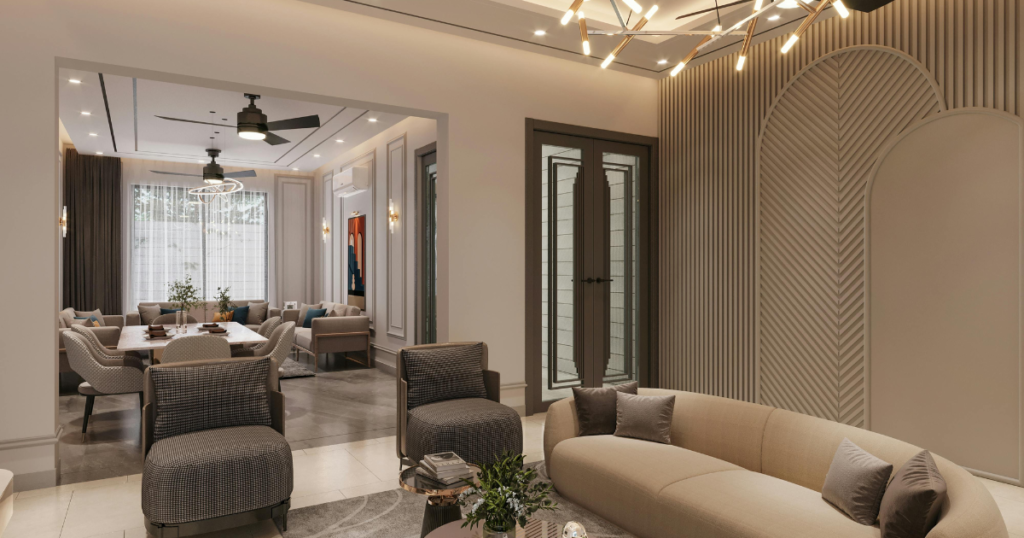
The Role of Personal Expression
Out here, where walls turn into stories, room styles speak before people do. Think of green leaves stretching toward a sunlit corner—that’s someone whispering they belong outdoors. Elsewhere, cold blue lights hum above sharp-edged shelves, telling you tech runs deep in that soul. Choices like color, texture, object placement? They’re quiet shouts about how lives are lived. Even silence between objects says something real
2. Popular Types of Aesthetic Rooms Styles
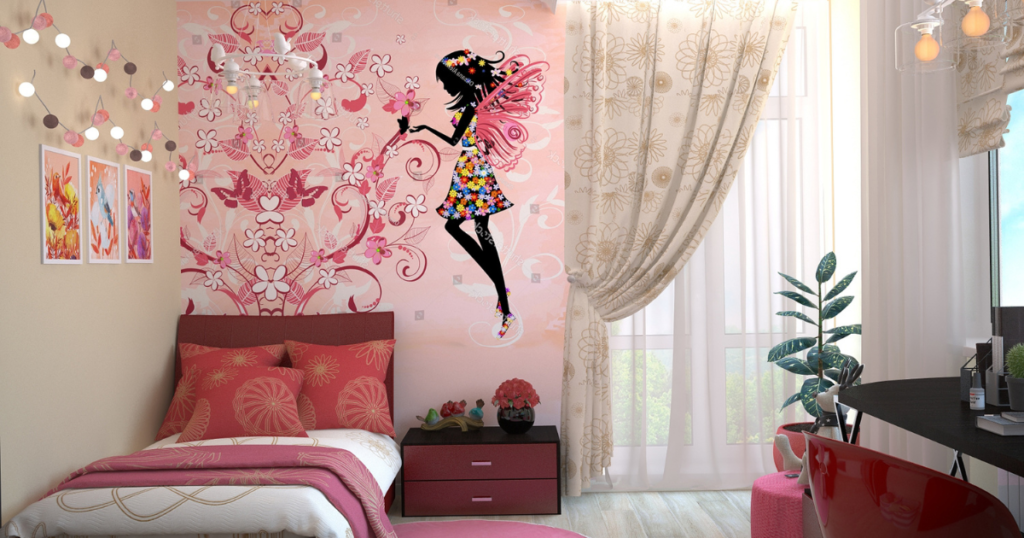
Minimalist Aesthetic
Open spaces breathe easier when clutter takes a back seat. White, beige, or gray wraps the walls like quiet thoughts. Clean lines shape each piece of furniture, slipping neatly into order. Function steps forward where decoration might otherwise shout.
Key Features
- Standard neutral color palettes
- Simple furniture
- Limited decorations
- Clean and organized appearance
Bohemian Aesthetic
Upbeat vibes define boho decor, where bold hues meet woven fabrics without matching perfectly. Handcrafted touches appear beside potted greenery, bringing life into corners. Wood grains show their knots instead of being hidden. Mismatched patterns sit together, comfortable in their clutter. A sense of wandering lands indoors through these choices.
Key Features
- Macramé wall hangings
- Patterned rugs and cushions
- Warm lighting
- Indoor plants
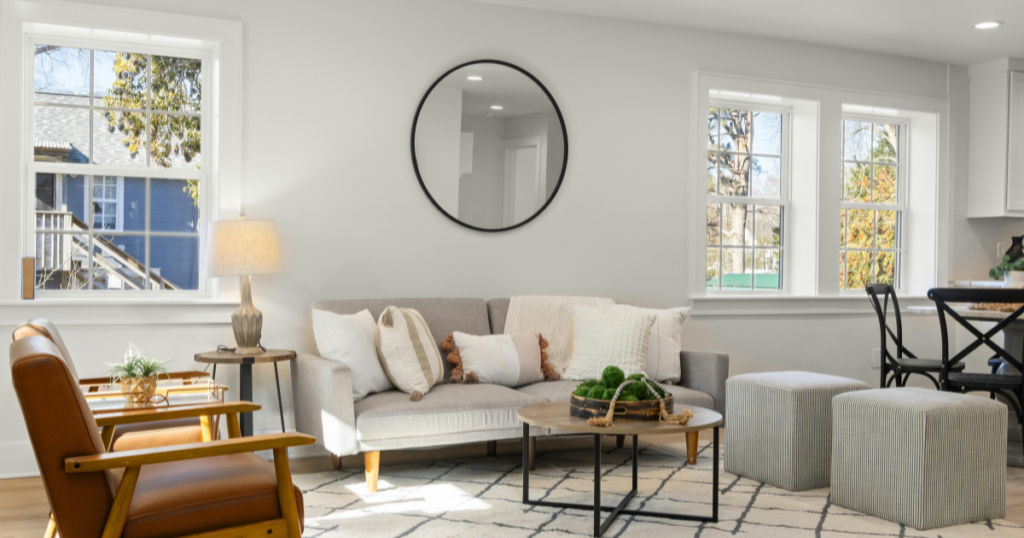
Vintage Aesthetic
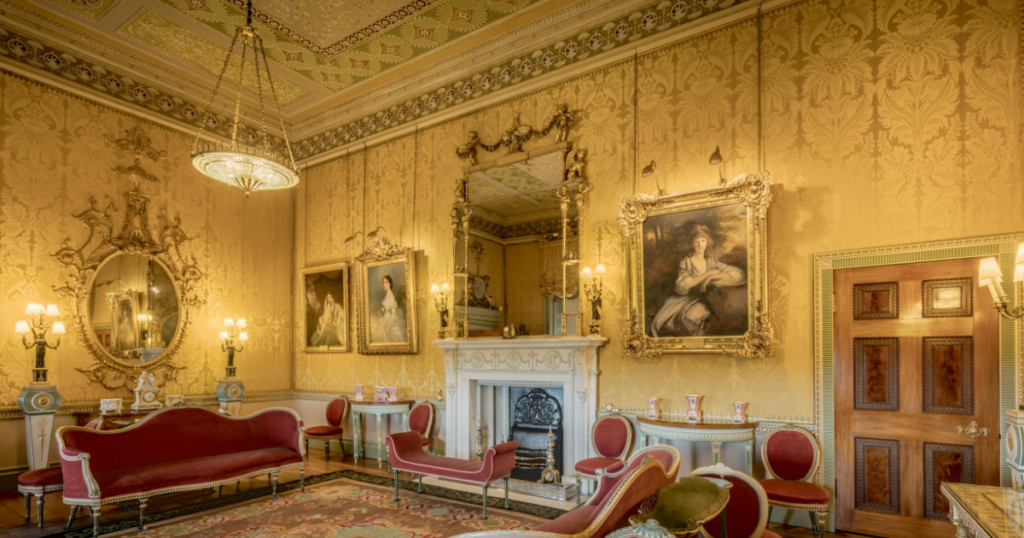
Classic styles appear when chairs have formed legs, backgrounds show faded florals, and one finds rotating phones hidden in corners. Muted pinks and creamy yellows wrap spaces like morning light through lace curtains. Details matter most where history whispers from every shelf.
Key Features
- Antique furniture
- Floral patterns
- Soft lighting
- Decorative mirrors and frames
Modern Aesthetic
Smooth shapes define today’s spaces, where tech blends quietly into daily life. A single shade dominates most designs, broken only by flashes of chrome or clear surfaces.
Key Features
- LED lighting
- Smart furniture
- Minimal décor
- Geometric designs
Cottagecore Aesthetic
Located in the natural surroundings, cottagecore takes its cues from traditional rural life and green scenery. Comfort seeps into rooms through colorful prints, handmade tables, and things formed by hands rather than machinery. Key Features
Key Features
- Soft floral fabrics
- Rustic furniture
- Warm pastel colors
- Naturalistic décor
3. Essential Elements of an Aesthetic Rooms
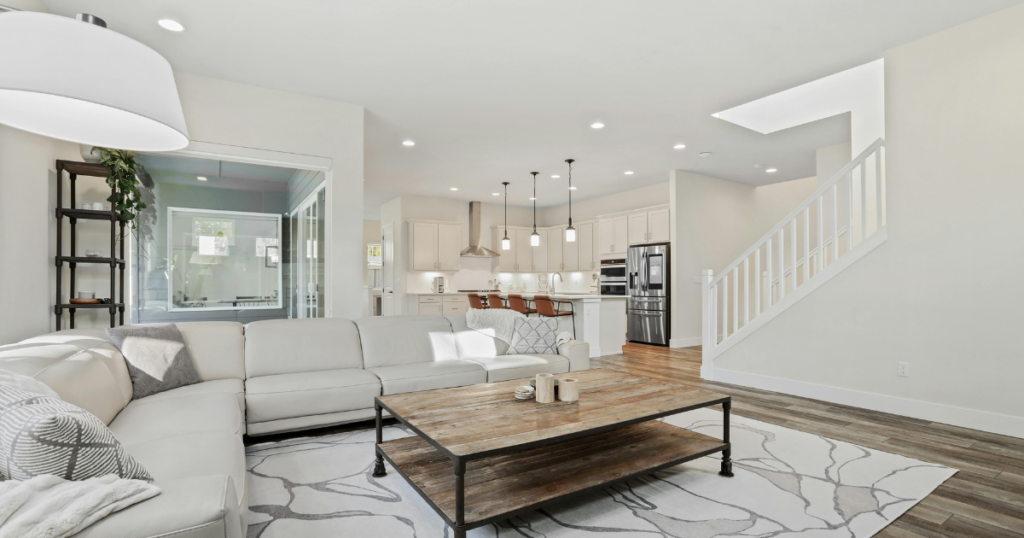
Lighting
Lamps that light up gently tend to make spaces feel comfortable, almost like a quiet invitation to unwind. On the flip side, sharp overhead light can sharpen your thoughts, nudging alertness without asking. A corner lit low hums comfort; near a desk, strong beams keep eyes wide open. Shadows stretch when bulbs dim—attention drifts slowly. Crisp brightness pulls corners into view, making tasks clearer by design.
popular lighting choices
candles
Fairy lights
LED strips
Table lamps
Sunlight matters just as much. Through big windows, with thin curtains letting it stream in, spaces start breathing easier. A room feels wider when daylight spills across the floor.
Color Palette
Reds and oranges wrap a space in comfort. On the flip side, blues invite stillness, almost like evening settling in. A hue can shift how air feels—thicker or lighter—without touching walls.
Common Aesthetic Color Themes
- neutral tones for minimalism
- earthy greens and browns in boho design
- Pastel Shades for Soft Aesthetics
- Black and White Modern Styles
Furniture Selection
A well-chosen chair might also need to store blankets inside. Beauty matters just as much when the couch pulls out into a bed.
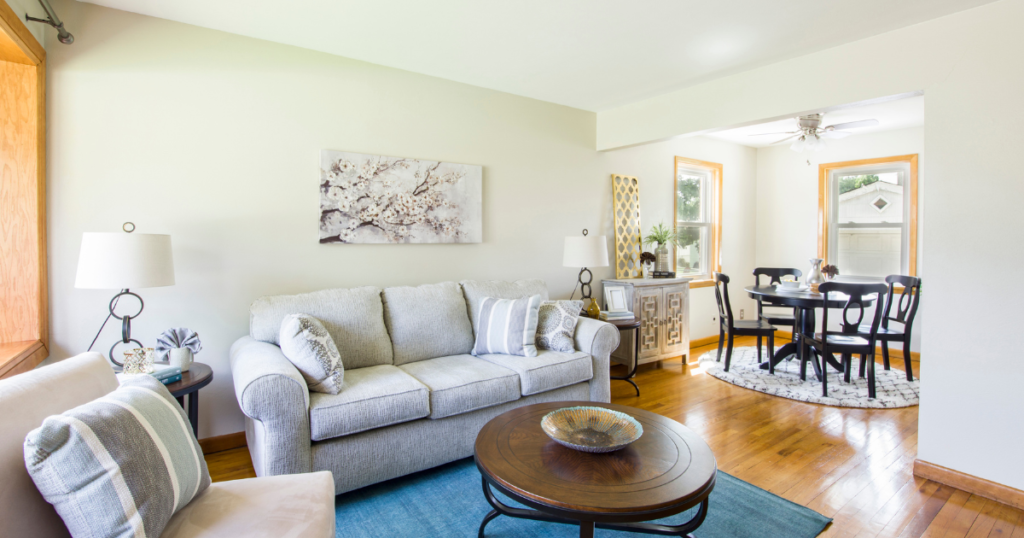
Important Furniture Considerations
- Comfort
- Size and proportion
- Storage capacity
- Style compatibility
Decorative Accessories
A splash of character shows up in little things. From paintings on walls to green leaves reaching toward light, each piece plays its part. Books stand like quiet guests beside reflective glass that pulls space apart. Pictures hold moments while mirrors stretch corners beyond themselves.
Popular Decorative Items
- Posters and paintings
- Throw pillows
- Indoor plants
- Rugs and curtains
Organizing and Maintaining Aesthetic Rooms
Decluttering Aesthetic Rooms for a Clean Look
A neat space feels calmer, somehow lighter on the eyes. When stuff goes away, areas can breathe more easily, leaving room for stillness. Fewer things mean fewer distractions crowding the corners of your mind. Empty spots begin to speak softly where noise once lived.
Effective Decluttering Tips
- Use storage baskets
- Donate unused items
- Organize shelves regularly
- Keep surfaces clean
Creating Functional Layouts for Aesthetic Rooms
How things sit in a room changes how you move through it. Looks matter, yet function matters just as much. Pleasing to the eye does not mean sacrificing ease of use.
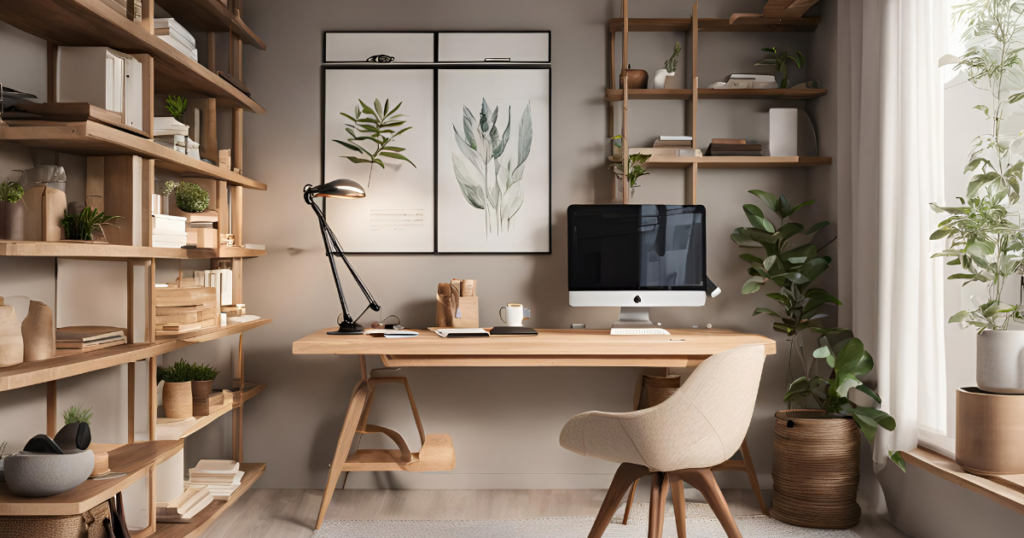
Layout Suggestions
- Desks by windows get more daylight
- Keep walking areas clear
- Use corners efficiently
- Store everyday things within reach
Maintaining Cleanliness in Aesthetic Rooms
A tidy space holds its look better. When dust accumulates or things pile up, even the nicest setup loses its charm fast.
Maintaining Habits
- Vacuum regularly
- Wash bedding weekly
- Wipe surfaces daily
- Water plants consistently
Budget-Friendly Aesthetic Rooms Ideas
A new appearance can come cheap if you think differently. Minor adjustments often work just as well when done right.
Affordable Decoration Ideas
- DIY wall art
- Second-hand furniture
- Rearranging existing décor
- inexpensive led lights
5. The Psychological Impact of Aesthetic Rooms
Enhancing Mental Well-Being
Peace settles in when walls feel right around you. Where colors sit softly, minds begin to slow down.
A room set up with care often helps people focus better. When things look clear and feel calm, work tends to flow more smoothly. For those learning or working from home, this kind of setting makes a real difference. Time spent inside becomes more useful when surroundings support attention.
Encouraging Creativity
A room shaped by its maker breathes differently. When brushes, notebooks, or sketches fill a corner, thought begins to stretch. Where paint stains meet floorboards, new ideas take root instead of routine.
Creative Enhancements
- Optical boards
- Inspirational quotes
- Artistic decorations
- Music-friendly setups
Promoting Better Sleep
A quiet room can shape how well you sleep. Natural light that is comfortable on the eyes helps slow your mind down—especially when paired with sheets that feel good against skin. Calm shades along the walls tend to lower mental noise, making it easier to drift off.
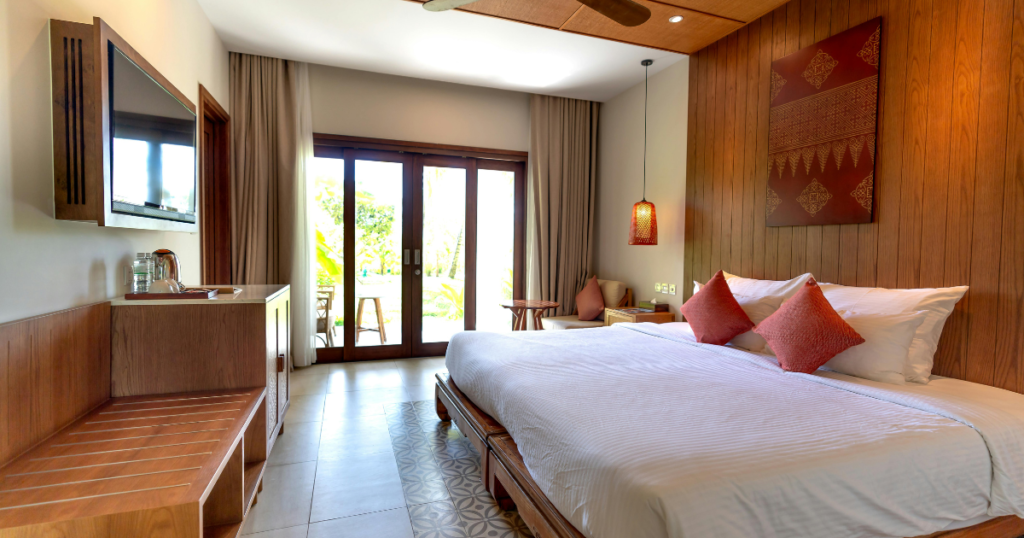
Building Emotional Comfort in Aesthetic Rooms
Photos, keepsakes, or handcrafted bits might show up in thoughtfully arranged spaces. Belonging grows when memory-laden things sit on shelves or walls. Feelings tie into corners where small meaningful objects rest.
Conclusion
A space feels different when it matches how a person truly lives. Comfort matters just as much as how things look these days. Light shifts the mood, while color sets the tone quietly behind everything else. Some fill corners with textures and patterns that tell stories without words. Others keep surfaces bare, letting silence speak louder than objects ever could. Personal taste shows up in small choices—like which chair holds its ground near the window. Old things sometimes feel newer than what’s just been made. What works for one room might fail completely somewhere else. Feelings shape walls more than paint ever does.
A space shaped with care often wakes up fresh ideas inside you and also slows your thoughts down just enough. Beauty around you might lift mood, help work flow better, and even let muscles unclench after hours. Paying attention to how things look need not drain savings or demand designer names. Tiny shifts—like where light falls or how items sit together—often shift everything else quietly.
Spending extra hours at home pushes many toward prettier surroundings. A room looking good? That’s just part of it. What matters grows beyond sight—calm settles in, meaning sticks around. Personal touches show up quietly, like habits made visible through walls and light. Mood shapes layout just as much as color choices do. Life lives inside these details, slow and steady.